Genesys was released in late 2017, and supported with four major supplements from 2018 through 2020. At that point, the generic RPG went dark. The Covid pandemic was certainly part of this, but it was first a symptom of the broader issues for the RPG business at Fantasy Flight Games (FFG). In the mid 2010s, Fantasy Flight was (excuse me) flying high; as both the licensor of Star Wars and several enormously popular RPGs based on Games Workshop properties, Fantasy Flight was one of the biggest players in the RPG space, but that turned around quickly and badly. When FFG lost the Games Workshop license in 2017 they had nothing left in the portfolio outside of Star Wars; their biggest other game, Anima: Beyond Fantasy had been discontinued the year before. The company wasn’t ready to give up on RPGs, though. They had bought the rights to Legend of the Five Rings two years before, and whether in an effort to maximize their investment or simply because of the sunk cost fallacy, they also invested in a new game based on the ruleset they used for Star Wars. Genesys came out first, while Legend of the Five Rings was ultimately released over three years after FFG bought the property.
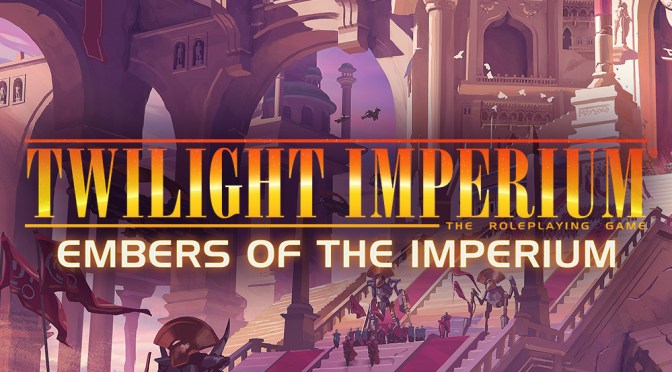
Embers of the Imperium comes into the picture after several upheavals, only one of which was a pandemic. In late 2019 FFG divested themselves of their RPG business, shuttling it over to another division of their parent company, Asmodee. Edge Studios, a Spanish company which originally published The End of the World, was the new brand for Asmodee’s RPG line. How did it work? Hard to say. The company does have two 5e-based games now (Midnight: Legacy of Darkness and Adventures in Rokugan), so they might be making money. That said, they did not give up on Genesys. After being announced in April of 2021, Embers of the Imperium has finally been released.
Continue reading Embers of the Imperium Review Cannibal Halfling Gaming