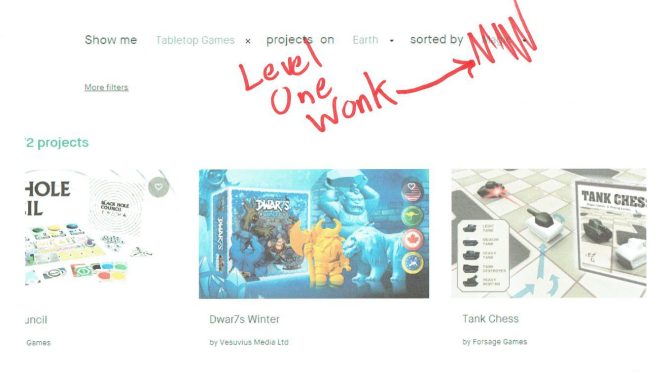
Welcome to the Crowdfunding Carnival for May! The push in April means that the crowdfunding machine is quiet, at least in terms of big names pushing big games. For newcomers, though, there is some variety. We’ve got dystopias, we’ve got mecha, and we’ve got…maggots. Come with me, and see what games you want to throw some money to this spring.
Continue reading Crowdfunding Carnival: May, 2024Tag Archives: RPG
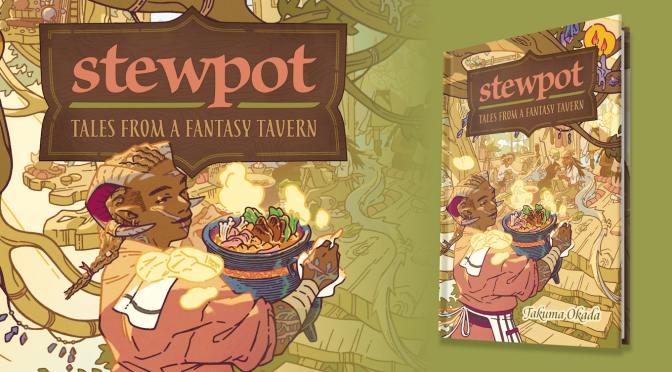
Stewpot: Tales from A Fantasy Tavern Backerkit Review
The tavern is the fulcrum point of the adventuring lifestyle. It’s where wandering heroes can find food and shelter after weeks out in the wilderness, it’s where quests can often begin… and it’s where quite a few stories find their happy ending. After all, being an adventurer is a tough life. Many adventurers, whether they retire after a successful career or call it quits early, get the idea to be the ones running the tavern, providing the same things they needed back when to a younger generation. It can take some doing, however, integrating back into settled society after a life living on the road and by sword and spell. How do you let go of who you were, and who will you become? Let’s have a taste of Stewpot: Tales from a Fantasy Tavern from Takuma Okada, now on Backerkit with Evil Hat Productions!
Continue reading Stewpot: Tales from A Fantasy Tavern Backerkit Review

Weekend Update: 4/27/2024
Welcome to the Cannibal Halfling Weekend Update! Start your weekend with a chunk of RPG news from the past week. We have the week’s top sellers, industry news stories, something from the archives, and discussions from elsewhere online.
Continue reading Weekend Update: 4/27/2024Weekend Update: 4/20/2024
Welcome to the Cannibal Halfling Weekend Update! Start your weekend with a chunk of RPG news from the past week. We have the week’s top sellers, industry news stories, something from the archives, and discussions from elsewhere online.

The Facility – A Breathless Choose Your Own Mad Science Adventure
You awaken, cold and in the dark. Fumbling around by low blue lights in a coffin shaped pod. You pull yourself out of the box, and in the dark see the faces of others. You are all wearing loose fitting white clothing and laceless shoes. Hospital patients? You peer into the dark, seeing little but hearing the sound of dripping, running water and distant machinery. You gather what you can, knowing that something is hunting you. It will be here soon.
Wait.
Can you remember who you are?
Welcome to The Facility by Galen Pejeau!
Continue reading The Facility – A Breathless Choose Your Own Mad Science Adventure

The Precarity of RPG Design
I’m not stating anything particularly controversial when I say it’s tough to be a game designer. The tabletop RPG market is an economics nightmare; demand is low and supply is incredibly high. Demand is low because this is a niche hobby whose marketing to the public at large is, essentially, Hasbro screaming so loud that nobody else is heard. Supply is driven by the fact that, at a functional level, thanks to crowdfunding Kickstarter, itch.io, and DriveThruRPG, basically anyone can make a TTRPG and get it on sale. TTRPGs and self-published fiction are very much the same, and everyone’s looking for the solution to the fact that 90% of everything in the market is utter crap.
Imagine, if you will, that you’re a good game designer. You’ve made something that’s captured the attention of part of the audience and, after you run some numbers, you realize that you could make a living on this. If you’ve done those numbers correctly, you’re still looking at a difficult life, one filled with a lot of hustle, a lot of compromises on your creative vision, and, most discouragingly, precarity. Precarity is, in essence, the amount of time you spend one decision away from ruin. It’s the constant enemy of anyone who doesn’t earn a constant and consistent income, and when your precarious income is game design instead of, say, insurance sales, there’s no relief from it, either. The only avenues to some meager financial security are to release a game that honestly gets famous, book dozens of hours of freelance work over and above your own design work, or simply have a day job.
Continue reading The Precarity of RPG DesignWeekend Update: 4/13/2024
Welcome to the Cannibal Halfling Weekend Update! Start your weekend with a chunk of RPG news from the past week. We have the week’s top sellers, industry news stories, something from the archives, and discussions from elsewhere online.
Continue reading Weekend Update: 4/13/2024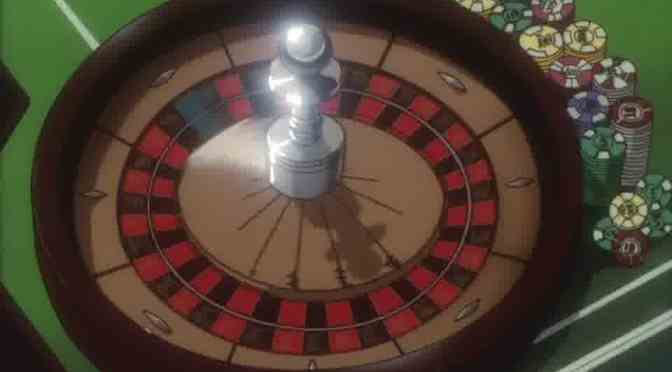
Cannibal Halfling Radio Ep. 23 – Now Playing: Cowboy Bebop – Trifecta Tango Pt. 1
I think it’s time we blow this scene. Get everybody and the stuff together… On a ship named Progressive, three bounty hunters down on their luck jump at the chance to score big at the House of Dice casino, in orbit over the Jovian moon Europa. Rather than rolling the dice at the tables, though, they’ll be gambling on whether or not they can track down a culprit who is already in the system…
Now Playing: Cowboy Bebop – Trifecta Tango Pt. 1!
Continue reading Cannibal Halfling Radio Ep. 23 – Now Playing: Cowboy Bebop – Trifecta Tango Pt. 1

Stardew Valley’s Closed World
Stardew Valley returned to the video game consciousness in a big way recently with the release of its 1.6 update. This update includes new content, rebalancing, and generally significant improvements and changes to the game that most thought unlikely after the 1.5 update due to designer Eric ‘ConcernedApe’ Barone shifting his focus to his next game, Haunted Chocolatier. Needless to say the scope of the update was a very pleasant surprise, and many players, myself included, dove back in.
I’ve put a number of hours into a new playthrough of Stardew Valley, having previously put the game down after the 1.5 update. Compared to my last two playthroughs I’ve taken more time to consider the design of the game and what it can teach us about tabletop games. Much like the last time I analyzed a video game like this, No Man’s Sky, the intent is not to imply that the gameplay loops would make much sense at the tabletop; Stardew Valley’s most tactile elements, like its combat and fishing, belong firmly in the digital realm. Instead I’d say there’s a lot to learn about how Stardew Valley presents a world and the avenues by which a player can interact with that world. This world design is, in some ways at least, the opposite of No Man’s Sky. Stardew Valley presents a ‘closed world’ where the avenues of interaction are finite and presented from the beginning, and that mode of world design can teach some lessons to tabletop RPGs, either to designers or GMs.
Continue reading Stardew Valley’s Closed WorldWeekend Update: 4/6/2024
Welcome to the Cannibal Halfling Weekend Update! Start your weekend with a chunk of RPG news from the past week. We have the week’s top sellers, industry news stories, something from the archives, and discussions from elsewhere online.
Continue reading Weekend Update: 4/6/2024
