
Welcome to the first Kickstarter Wonk for 2020! Although January is often a thin month for RPG Kickstarters, with designers suffering the same holiday hangovers as the rest of us, this January, January of 2020, is likely to be the worst one so far. This isn’t random, not at all. Last year, Kickstarter threw an event called Zinequest, where game designers were encouraged to put out zine-sized games and RPG supplements in a recognition of the legacy of RPG zines from the 70s and 80s. This was wildly successful, and inspired Kickstarter to throw Zinequest 2. When is Zinequest 2? Next month. What are all the game designers doing? Getting ready for that. How many campaigns does that leave me? Very few.
Tag Archives: Opinion

Indie Frontiers #3: Big Bad Blitz Part 2
As I’ve wandered into the Indie Frontiers this past year, I’ve heard tales of a fabled place where indie RPG designers gather from across the land: Big Bad Con. This yearly tabletop and LARP convention is hosted in Walnut Creek, CA, a short seven hour drive from my home in Los Angeles. I had never been to an RPG convention before, but this was too good an opportunity to miss. I left LA with a backpack full of dice and a mission—a mission to interview as many up-and-coming indie RPG designers as I could find.
Today’s interviewees: Taylor LaBresh, Suzanne Schenewerk, Justin Ford, Adam Vass, Sidney Icarus, and Charles Simon.
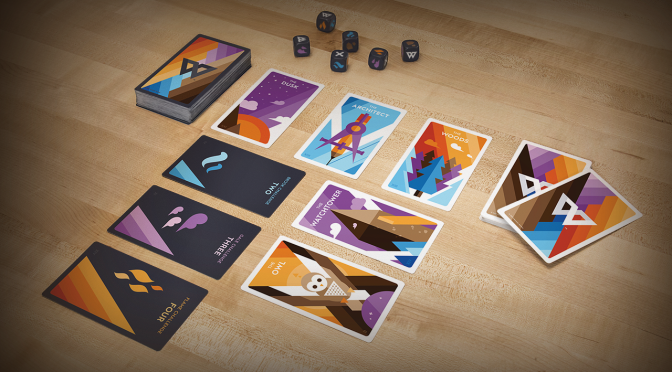
Unplugged Independents: Weave: Storytelling Redefined
Pick a card, any card, any card at all . . . and it’ll tell you what kind of story you’re in and what your characters can do. Despite walking around a convention with Unplugged in the name, there were a fair number of plugged-in offerings. It could actually be called one of the motifs of the convention: games crossing the border between physical and digital games (going both ways), digital enhancements to traditional games, and games that blend the two from the foundation up. Among the latter is Weave: Storytelling Redefined, a game that’s half tarot, half roleplay, and all story.
Continue reading Unplugged Independents: Weave: Storytelling Redefined

The Decade in Gaming: 2010-2019
On New Year’s Day, 2010, the RPG hobby wasn’t feeling very lively. Dungeons and Dragons was plodding along with Fourth Edition, though a lot of players had abandoned it for Pathfinder, or, as your friends called it, “D&D 3.75e”. The New World of Darkness was out, but you were having trouble finding the new part. Shadowrun 20th Anniversary came out…but that was just Fourth Edition from 2005 with errata. Though things weren’t looking so hot, there was some interesting stuff going on. This new website Kickstarter had been causing a stir in tech news, and more and more of the games you’ve been looking for had been made available in PDF. Something’s going to change, you think.
The Independents: Five Torches Deep
The real trouble with edition changes, once you get past the nit-picking, is the missed experiences. Different editions of a game can offer very unique things to their players, but die-hard fans of the older variety miss out on the active ecosystem of the current edition, while newer players miss out on the playstyle of older dungeon delving that they might very well love. Stepping in to bridge the gap is Five Torches Deep from Jessica and Ben Dutter and Sigil Stone Publishing, a “streamlined adventure game combining the best mechanics and principles of 5e, the OSR, and modern game design.” So how bright does FTD shine? Let’s go chapter by chapter to find out!
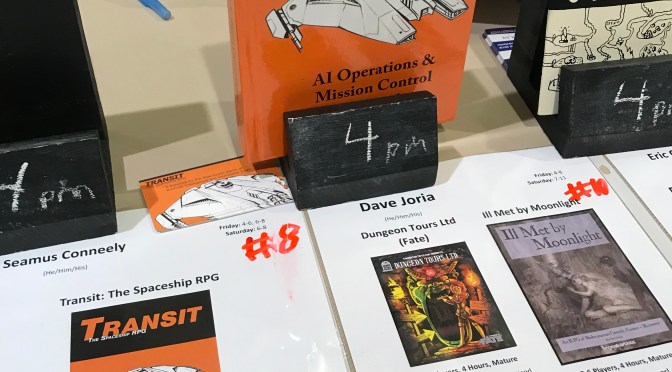
A PAX Unplugged Roundup
Aki might have had the brainpower to check in every day of PAX Unplugged, but I . . . didn’t. There was a lot to do and see, however: board games, events, roleplaying games, accessories, actual play opportunities! I came home with . . . a lot to write about, and more than a few review copies, but there are plenty of things that would get missed by doing things one article at a time. So here’s my PAX Unplugged Roundup of some of the things worth checking out, whether they’re things to look for next con or something worth chasing right now!
Kickstarter Wonk: December, 2019
Tis the season to be Wonky! December is not always a very busy month for Kickstarter, it’s more important to deliver and sell near the holidays than it is to fundraise, so in some ways this is an off-cycle time for creators who are trying to kick off projects. As such, there are only eight projects in this month’s line-up. That said, we do have a holiday miracle in store, and in just a couple days eight projects will turn into nine! Thanks to a creator who I am a particular fan of, we have access to a project preview that should turn into an honest-to-goodness campaign just a few days after this article’s publication date. While we’re waiting for that, though, the rest of the projects in this article are all quite promising and worthy of your attention.
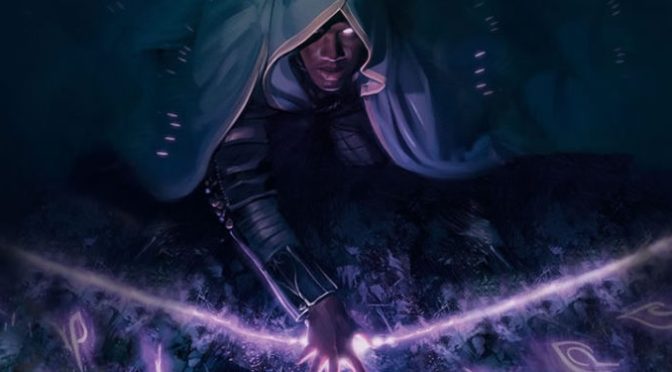
Unearthing Psionic Fighters, Rogues, and Wizards
A Psychic Warrior who shields their fellows and strikes their foes with the power of their awakened mind. A Soulknife who cuts at the very minds of their enemies with blades of psychic force A wizard of the Psionics tradition, who manifests as pure psionic energy. I hope you’re ready to use your head, because the latest Unearthed Arcana is revisiting psionics with options for the fighter, rogue, and wizard as well as some new spells and feats. Let’s see what these intelligent adventurers can do, and then address the big psionics questions for Dungeons and Dragons 5th Edition! Continue reading Unearthing Psionic Fighters, Rogues, and Wizards
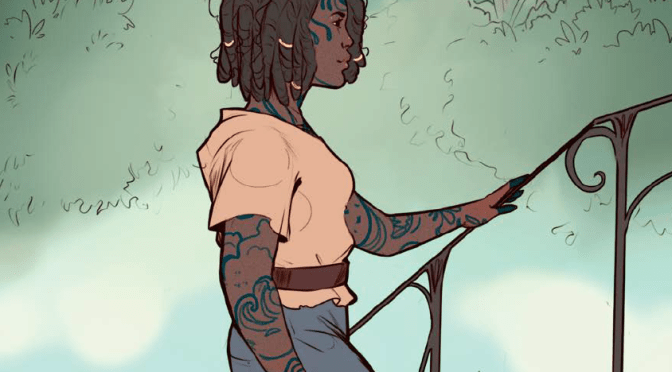
Meet the Party: Afterlife: Wandering Souls
A Bow who wanted for nothing and had the world at her fingertips before suffering a rude awakening. A Sword who never understood other humans, instead being raised and taught life’s lessons by the wilderness, his only kin the wolves. A Shield who was haunted by the city their parents brought them to, a stranger in a land where they didn’t belong. All three have died. None know how, or even really who they were. As the Boatman delivers them to the shifting sands of the Tenebris, though, these Wanderers will grasp at glimpses of memory and start their journey to the Beyond in this Meet the Party for Afterlife: Wandering Souls!

Eberron: Rising from the Last War Review
“Whether aboard an airship or a train car, embark on thrilling adventures shrouded in intrigue! Discover secrets buried by years of devastating war, in which magic-fueled weapons threatened an entire continent.” The pulp adventure and noir intrigue of Eberron have come to the 5th Edition of Dungeons and Dragons in full, hardcover form! After multiple iterations of artifice, after reading the Wayfinder’s Guide on the lightning rail ride here, we’re finally Rising from the Last War with new races, new narrative mechanics, 5e’s first all-new class, and a tacklebox worth of hooks to bring your characters into the adventure. Let’s go through chapter by chapter, and see what there is to find under the light of the Ring of Siberys!

