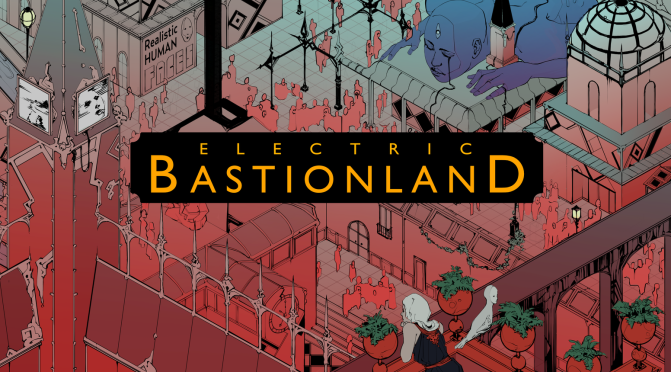
Role-playing games are rooted in rulesets which provide a simulation to help determine what happens in-game. In most traditional games, this simulation is, in broad strokes at least, based on physics; the game provides rules intended to reflect a world which players find consistent and believable. In many recent indie games, the simulation is based on narrative; the rules define what happens next based on what makes the story either adhere to a given narrative schema or, in some cases, just more interesting. What about the middle ground, though? What would it look like if a game were simulating tropes rather than physics, but of a setting rather than a storyline? It would look an awful lot like Electric Bastionland.
Continue reading Electric Bastionland ReviewTag Archives: Review
Marvelous Review
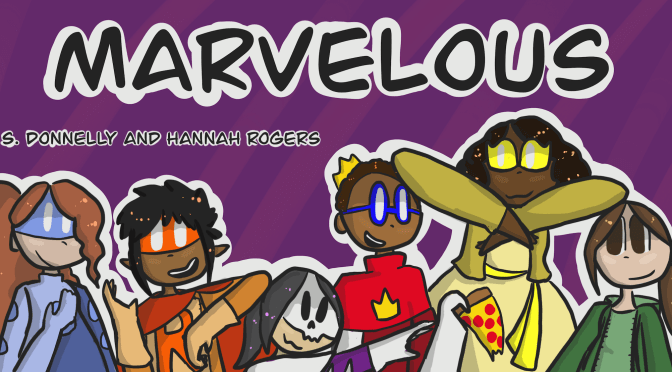
Now, we all love a superhero fight. Seeing two monumental figures with fluttering capes dealing blow for blow in titanic might. Blasts of magic and ethereal energy shockwave from the fingertips of villainous casters. The climactic fights between good and evil. But a superhero story cannot survive on acts of superhuman power alone. They cannot go year after year for this decades-spanning industry if it was just Superman beating up Metallo every week. No, what keeps us coming back is Superman’s humanity. The moments where he talks with those of non-high flying identity. How his relationship with Lois Lane develops. We read the comics for the ‘man’ in Superman.
A friend once told me that my greatest strength as a writer was finding the mundane in the fantastical. Well, it is less a strength and more where my passion lies. I adore the scenes in comics of costume-glad crusaders sitting down for some pizza. I don’t care as much for the end to Dr. Destruction’s world-ending threat, as much as how the hero putting themself in such a stressful situation will lead to them developing as a person. It’s about the people who put on the mask for me. Not the mask itself. Today, I have brought a game on to discuss that exemplifies such a thing. A game that makes itself known as character first, superheroes second.
With that said, let’s dive into Marvelous. Continue reading Marvelous Review
Karanduun: Make Gods Bleed Review
Many play fantasy RPGs for escapism. Could even call it power fantasies. A world where things that we could never imagine seeing in reality are as commonplace as rain falling from the sky. Dragons breathing flames. Gods that walk the land as if they were anything else of the world. Relics of grand, divine power. But it’s not just that. In these worlds, the characters we create are important. They’re important in shaping, travelling and influencing the fantastical world around them. It’s not only that they are powerful figures and beings. It’s that what they do matters. That creates an issue, however. What does “actions that matter” mean? Sure, you could slay some grand old Lich and raid their tomb/lair. But what does that mean when you’ve done it a thousand times. Sure, you forge the dragon’s scales into a set of armor. But when you can take an arrow straight through your bare chest and laugh, why do you need the armor other than as a rather intricate piece of jewelry?
This is the issue of fantasy games. Your characters are strong, yes. They can make big changes, yes. But what does it matter if the world will always have more dragons. Always have more giants. Always have something else for you to fight. Does it really matter if the rules simply don’t account for this rise to prominence within the world itself. This feeling resulted in me feeling a tad burnt out on fantasy RPGs. It began to feel hollow to slay yet another walking skeleton, despite reassuring myself it mattered. I moved towards superhero games such as Masks or more relationship and character based fantasy games, such as Thirsty Sword Lesbians.
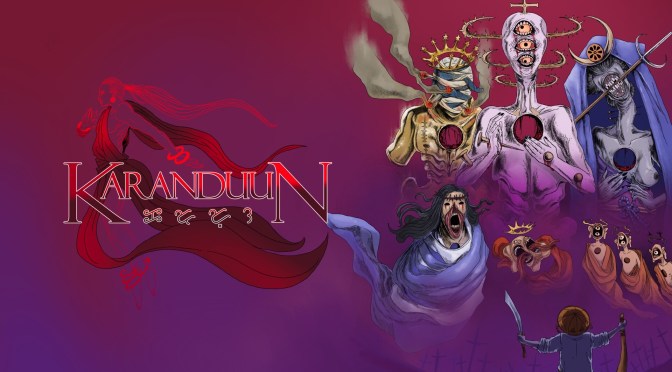
However, recently I picked up a new RPG. And reading through it, I discovered something that I had been searching so long for but never found. I discovered a fantasy world where you are powerful, but not for the sake of power. You are powerful to unseat the corrupt and decadent rulers of the world within it. It’s a game where the Bards of the system can sway the masses with rules to accompany it. A game where you can stare down beasts of heaven and hell without blinking, because you know blinking would lead to your own downfall. It’s a game where you’re powerful to make change.
This is Karanduun. And with it, you will make Gods bleed.

Cyberpunk Red Review
A review is, at the end of the day, an opinion. Good reviewers call upon their experience, their expertise, and their effort to make their reviews relevant and useful, but no matter how well-researched the writing, how polished and considered the perspective, reviews are always subjective. A hallmark of good writing is not to attempt and claim objectivity, but rather to list your biases as comprehensively as you can in an effort to help a reader understand and gain value from your perspective. This is why you all need to know that I’m an in-the-tank seventeen years running serious fan of R. Talsorian’s Cyberpunk.
In 2005, while I was still in high school, Cyberpunk v3 landed with a resounding thud. I had discovered Cyberpunk 2020 only a couple years previous and was excited by the notion of a new edition coming out. Like many fans who had been with the game longer, though, I was disappointed, both by the change in thematic direction and also in the game’s editing, game design, and art direction. This review, though, is not about Cyberpunk v3, nor is it about Fuzion, nor is it about Mike Pondsmith’s extensive action figure collection. It’s about the edition of Cyberpunk that, years ago, many fans resigned themselves to never getting. It’s about Cyberpunk Red.
Dashing Scoundrels Review
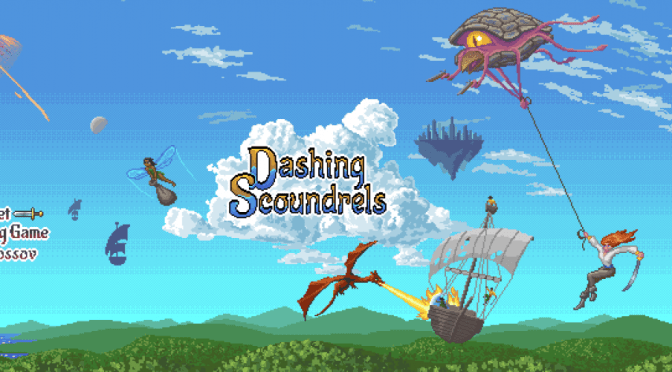
In a world of dazzling magic, airships, and gunpowder, the Empire forged in conquest and slavery stretches sea to sea. But the core of its heart is rotten, and a revolution is brewing in the underbelly of its floating capital. How many rebels does it take to bring the whole House Huffington down? Time to draw some cards, recall some memories, and swash some buckles as we swing into action with Dashing Scoundrels, a “high-heavens, gunpowder and airships world of dazzling magic where players are rebels and pirates undermining a corrupt empire by performing heists and swashbuckling shenanigans,” brought to us by Ilya Bossov and Lagging Dice LLC!
Cortex Prime Review
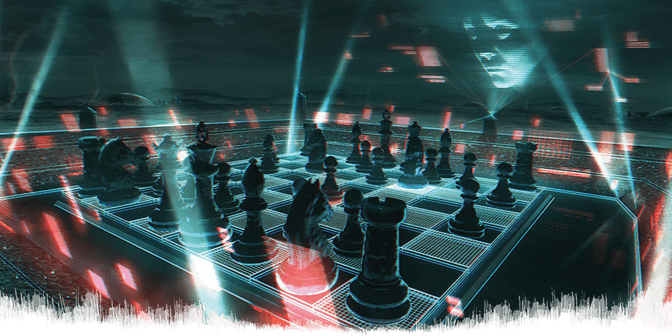
Imagine for a moment that you’re back in May of 2017. Cannibal Halfling is six months old, and I’m still tagging all of my articles “Level One Wonk” because I felt more like a guest writer than a co-founder. I hadn’t started doing regular coverage of Kickstarter campaigns yet, so one week I decided to write an article about one that excited me: Cortex Prime. The campaign was about halfway over when the article was published, and I said some enthusiastic and somewhat hyperbolic things, like how Cortex Prime would be the next big thing after PbtA. What I’m trying to say is that I jinxed it. Cam, I’m so, so sorry.
Joking aside, this week is a special week for all of us who backed the Cortex Prime Kickstarter back in May of 2017: As of yesterday (October 20, 2020), Cortex Prime is done, it’s released, the campaign is actually over. After a number of roadblocks and obstacles, we have books in our hands and the game is actually on sale. And you know what? It was worth it. Like many other backers, I was already familiar with the Cortex system and its potential; in my case it was from Marvel Heroic Roleplaying. What Cortex Prime does is take that system and turn it into an immensely powerful toolbox, laying all the switches and dials bare in a way that GMs can actually use.
Continue reading Cortex Prime Review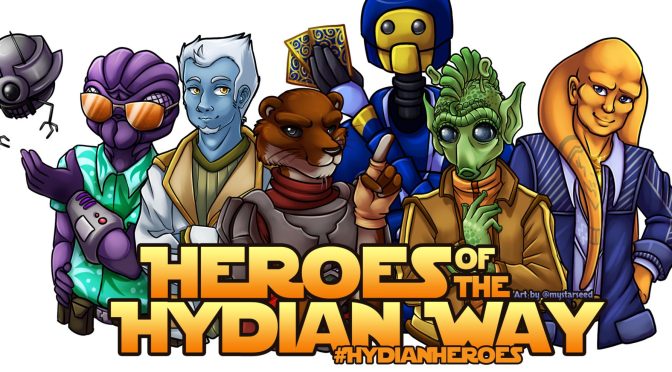
Soldiers, Scoundrels, and Lost Acolytes: Why You Should Listen To Heroes of the Hydian Way
They’ve found themselves Dead in the Water and having to deal with Friends Like These. They’ve known there’s Trouble Brewing and tracked down the Mask of the Pirate Queen. They’re trying to find balance in the Force and working their way through the Chronicles of the Gatekeeper. Ever looked at a published adventure for Fantasy Flight Games’ Star Wars Roleplaying and wondered what kind of stories they could tell? Well this crew decided to find out for you, and no matter what cantina you drop into or freighter captain you talk with there’s a decent chance you’ll hear Why You Should Listen to Heroes of the Hydian Way.

Thirsty Sword Lesbians – Kickstarter Review
Oftentimes in combat within tabletop roleplaying games, the dealing of damage and conservation of health points seems to be all that matters. The concept of getting in your hits and hoping to all hope that it’s more harm than the opponent gets in. It often treats opponents in the game as a roadblock, similar to video games. “You must get past me to receive more story.”
And there’s no harm in that, on the surface at least. A challenge can be enough of a motivation for fun. Strategizing and planning to surpass the foe in front of you so you can get what you want. Video games wouldn’t have made an entire industry and genre on the concept if it didn’t work. But, sometimes you don’t want a compilation of stats and HP. Sometimes you want an enemy you can empathize with. An enemy who has motivations, internal strife/virtues and a personality that makes you feel so many conflicting emotions about them. Above all, that’s it. You want a foe you can feel for. People in real life, no matter how detestable and wretched, are rarely as binary in “100% good or bad”. Like the saying goes: People contain multitudes.
While nearly every RPG can be used to achieve this goal of a complex and nuanced villain, I’ve yet to meet one that incentives it. A game that makes it an imperative of the message within. A game that damn near bakes it into every mechanic.
Until I played this game. When I joined the playtest for this RPG, I had such fun even in it’s beta stage. It was what I had been searching for in a fantasy RPG: a game where it’s not about how big your numbers are or the modifiers on your special sword. But about how your character feels about the world around them and people within.
This game is Thirsty Sword Lesbians.
Continue reading Thirsty Sword Lesbians – Kickstarter Review
Agon Review
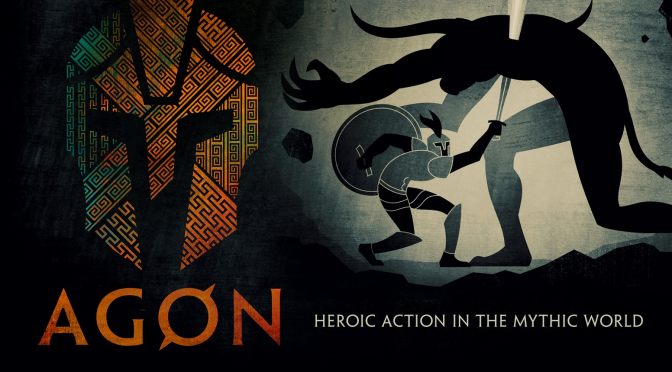
Fantasy RPGs borrow heavily from myth. The superstructure of character advancement in D&D has always intended to emulate character growth from humble beginnings to nearly godlike heroism. Where D&D takes this broad structure and uses it for its own unique version of fantasy, Agon goes back to the source. Agon is an RPG of mythic heroes, seeking to emulate epic poems of Ancient Greek heroes and their exploits. Where a game like D&D guides the action and the narrative in broad strokes, Agon uses a more structured set of procedures to play through the trials faced by the characters. Designers John Harper and Sean Nittner seek to provide a specific structure by which players address challenges, see the consequences, and grow in relation to their world. The result is something evocative and easy to play, but which may frustrate players used to the more open-ended approach of D&D and other older, more traditional RPGs.

Exploring The Multiverse: Why You Should Listen to Otherwhere
It’s no secret I enjoy Masks: A New Generation. In particular, I enjoy the podcasts that have spanned outwards from the system. From the schooltime days of Unlabelled to the messy and oftentimes heavy narratives of Young Vanguard to the absurdist but potent style of Critical Bits. Masks has spawned a universe of podcasts that interconnect into different facets of the superhero genre.
But we’re not here today to talk about universes. We are here to talk about multiverses. The Big Two comic companies have ingrained the idea of parallel universes and spiderwebs of different realities into comic book canon. The idea that there isn’t just one Batman, but a whole cacophony of them. That in one universe Spiderman is your friendly neighborhood superhero. But in another he has become a flesh-eating zombie. It’s the concept of a multiverse that has allowed writers to explore radically different stories for their characters without throwing a gigantic wrench into canon.
And while podcasts such as Protean City have touched upon the multiverse premise (And believe me, the Why You Should Listen To Protean City is coming) none of them have made it THE premise for the storyline taking place.
That is, until May 27th, 2020. When a group of different teen heroes, some from the local reality, some from ones far off in nature and domain, met in a graveyard and begun journeying together to ask the question:
What if someone told you there isn’t just one world. That your world isn’t the only one…
Continue reading Exploring The Multiverse: Why You Should Listen to Otherwhere

